CHÖRAB · 曲熱影畫 ཆོས་རབ་ · Shadow & Sound
← 返回曲熱影畫總目 · Back to Archive
卷叁 · VOL. III · 7 FILMS

《挑燈放映室》 Lamplight Screening Room · 當代人間煙火與城市微光敘事

為當代普通人亮起一盞銀幕小燈:穿行大涼山五十年票價最低兩元的 5633 次綠皮慢車、故宮西三所裡與百年齒輪對話的鐘錶修復師、成年人下班熄火後在地下車庫獨處的十分鐘、深夜撤回的消息與守在門口的貓。

A quiet screening room dedicated to everyday human warmth: Sichuan's 2-yuan 5633 mountain slow train, antique clock restorers inside the Forbidden City, ten silent minutes parked downstairs before going home, and cats waiting by the door.

挑燈放映室
挑燈放映室 Sleeve
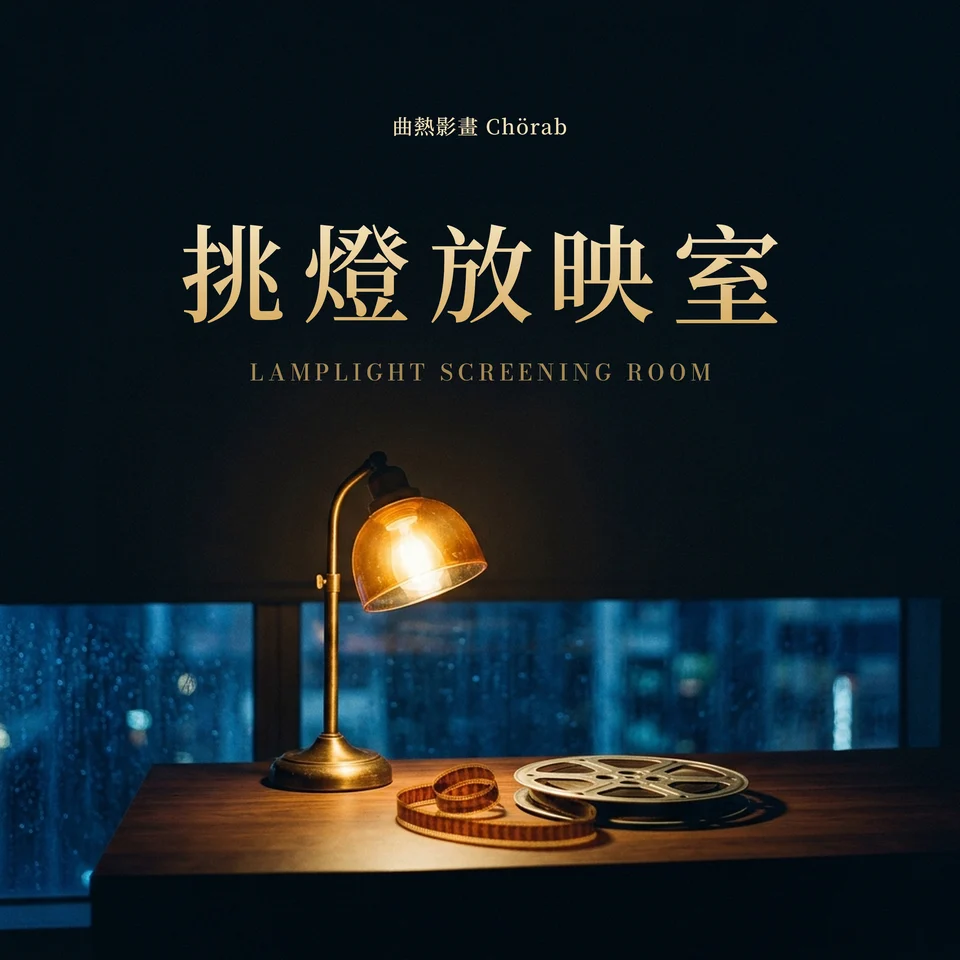
《挑燈放映室》Midnight Brass Desk Lamp & 35mm Reel · Cinema Key Art35MM ANAMORPHIC
《地下車庫的十分鐘》Ten Minutes in the Parking Garage
REEL 01 · 04:05.0

《地下車庫的十分鐘》 Ten Minutes in the Parking Garage

地下二層車庫裡檔位推回P檔,儀錶盤微光映著第十二根白髮,副駕放著女兒要的草莓,後備箱備著長輩的護具。推開車門前是職場裡陪笑的員工,走進家門後是不能露怯的丈夫與父親,唯有熄火後的十分鐘屬於自己。木吉他、低音提琴與溫暖鋼琴勾勒出當代中年人在車廂與萬家燈火之間的無聲默契。

"Ten Minutes in the Parking Garage" observes a familiar ritual of contemporary urban adulthood: lingering in a parked car on basement level two before going upstairs to family life. Caught between client dinners, gray hairs in dashboard light, strawberries on the passenger seat, and warm pork-rib soup waiting at home, those ten silent minutes after switching off the engine become a private decompression chamber. Arranged with intimate acoustic guitar, muted piano, upright bass, and warm cello, the narrative ballad portrays unspoken domestic empathy.

《撤回的消息》The Unsent Message
REEL 02 · 04:27.4

《撤回的消息》 The Unsent Message

凌晨兩點寫字樓裡冷透的盒飯旁,那句「媽,我最近真的好累」在發出的瞬間被長按撤回,換成一張咧嘴笑的表情包;清晨七點卻收到帶著切菜聲的六十秒方言語音。鋼琴與男女聲溫柔敘事,寫盡兩千公里外「僅三天可見」與老花鏡後手寫拼音筆記本之間,中國式母子報喜不報憂的深沉牽掛。

"The Unsent Message" captures the quiet emotional distance of modern urban migration across two thousand kilometers. At 2 AM in an office building, an exhausted worker recalls a vulnerable WeChat message to their mother, replacing it with a smiling sticker—only to receive a sixty-second hometown-dialect voice note at dawn recorded beside a kitchen cutting board. Scored for intimate piano, acoustic guitar, and chamber strings, the ballad contrasts "Visible for three days" privacy settings with a mother's notebook of handwritten pinyin and blooming balcony cactus photos.

《5633次綠皮慢車》Green Slow Train 5633
REEL 03 · 04:07.0

《5633次綠皮慢車》 Green Slow Train 5633

山外復興號高鐵飛馳於時速三百五十公里,大涼山深谷裡卻仍晃悠悠開著從普雄到攀枝花的5633次公益綠皮慢車:十一個鐘頭停靠二十七個小站,最低兩元票價五十年未漲,拆去後排座椅容納老鄉的竹背簍與彝族女孩寫作業的小桌。口琴、木吉他與鐵軌節奏交織,記錄不落下任何一個普通人的時代溫度。

"Green Slow Train 5633" documents the real-life public-service slow train running 353 kilometers between Puxiong and Panzhihua along the Chengdu–Kunming Railway through Sichuan's Daliangshan mountains. Contrasting China's 350 km/h Fuxing high-speed rail with an eleven-hour journey across twenty-seven rural stops—where fares as low as 2 RMB have remained unchanged for fifty years, rear seats make space for villagers' bamboo baskets, and Yi schoolchildren study at carriage tables—the folk arrangement pairs warm harmonica, acoustic guitar, accordion, strings, and rhythmic rail clatter.

《故宮修錶人》The Clock Restorer in the Forbidden City
REEL 04 · 04:28.5

《故宮修錶人》 The Clock Restorer in the Forbidden City

推開紫禁城西三所木門,紅牆隔開三秒滑走一條短片的喧囂,院裡老海棠已陪匠人走過四十個秋天。工作臺上攤著比米粒還細的千枚銅齒輪,毛刷蘸煤油洗去乾隆年間銅鍍金寫字人鐘的百年浮塵;鐘琴、古琴、大提琴與精密齒輪滴答聲相扣,定格銅鶴重振雙翅、清脆鐘聲驚起故宮白鴿的一瞬。

"The Clock Restorer in the Forbidden City" pays tribute to the master horological conservators working inside the quiet Xisansuo courtyards of Beijing's Palace Museum. Contrasting modern three-second short-video impatience beyond the red palace walls with forty autumns spent beneath crabapple and ginkgo trees, the narrative follows the kerosene brush-cleaning and three-winter gear polishing of an eighteenth-century Qianlong gilt-bronze writing automaton clock. Delicate mechanical clockwork ticks, celesta chimes, guqin, felted piano, and solo cello build to the moment a century-silent brass crane beats its wings and chimes over the Forbidden City.

《有貓的人》People with Cats
REEL 05 · 05:18.8

《有貓的人》 People with Cats

喊十聲名字只動一動耳尖、放著昂貴貓窩偏縮進紙箱,卻在每一次關門外守候、在雨夜病中用打著留置針的小爪勾住手指。當夜裡十二點熄燈,三隻小貓分別窩上枕邊、被角與床尾發出呼嚕聲;原聲木吉他、溫暖鋼琴與輕柔提琴鋪陳,寫盡都市成年人與貓之間不問輸贏、恰到好處的一米溫柔。

"People with Cats" is a tender narrative ballad about contemporary urban companionship and the quiet, unjudging dignity cats grant modern adults. Moving from aloof pink paw pads, empty cardboard boxes, fur-dusted suit trousers, and a rainy-night veterinary visit with an IV-taped paw, to three household cats gathering at midnight around pillow, quilt corner, and bed foot with low comforting purrs, the song reflects how wordless companions turn vast, conditional cities into home, scored for fingerpicked acoustic guitar, warm felt piano, and gentle chamber strings.

《不肯低頭的善良》Unyielding Kindness
REEL 06 · 04:19.2

《不肯低頭的善良》 Unyielding Kindness

《不肯低頭的善良》屬「挑燈放映室」欄目,與《我是李煜》的東風意象遙相呼應,將視角轉回當代都市深夜的個體處境。作品對照白日裡衣著得體、被稱許為「情緒穩定」的成年人面具,以及夜深人靜時獨自包紮傷口的真實脆弱;在溫潤鋼琴與室內弦樂的推進中,寫出平凡人擦乾眼淚、天亮後依然迎風趕路的生命韌性。

Part of the Lantern Screening Room series by CHÖRAB · SHADOW & SOUND, Unyielding Kindness bridges classical Chinese east-wind lyricism with contemporary urban solitude. Written and produced by Chörab (Ming Qu), this narrative ballad contrasts the composed, well-dressed daytime persona—often praised by colleagues for steady emotional restraint—against the quiet midnight hours when unspoken anxieties and held-back tears surface beneath the moonlight. Scored for intimate felt piano, solo cello, acoustic guitar, and warm chamber strings, the piece frames sincere grief in a cold world not as weakness, but as an unyielding moral tenderness kept alive through ordinary hardship.

《傾國傾城的媽媽》My Radiant Mother
REEL 07 · 04:48.8

《傾國傾城的媽媽》 My Radiant Mother

《傾國傾城的媽媽》收錄於「挑燈放映室」欄目,以溫暖的三十五毫米膠片光影,串聯一位女性二十歲紅絲絨長街的明媚張揚、三十歲職場鎧甲與走入屋簷後的內斂溫柔,以及四十歲羊絨長裙與珍珠胸針的沉澱風華。作品跳出傳統苦情母愛敘事,在三角鋼琴與舒展弦樂中,重新呼喚被「誰的太太、誰的媽媽」遮蔽的女性本名與獨立自我。

Featured in the Lantern Screening Room series by CHÖRAB · SHADOW & SOUND, My Radiant Mother departs from conventional East Asian tropes of maternal self-sacrifice to portray three luminous decades of a woman's identity. Moving from twenty-year-old crimson velvet beneath neon shopfronts to thirty-year-old tailored corporate poise and forty-year-old cashmere elegance, the song traces how everyday labels on parcel slips and at school gates—'someone's wife' and 'someone's mother'—gradually overshadow a woman's poetic given name. Scored for acoustic grand piano and sweeping strings, it celebrates female selfhood aged like fine agarwood.